Software Trending News – Guaripete | Online Store |
- How to downgrade from the beta of macOS Mojave back to macOS High Sierra
- A New Google Maps Update Offers a Redesigned Explore Tab
- You Should Have Android Messages for Web at This Point
- Belkin Launching USB-C Keyboards This Summer, Designed for Chrome OS Tablets
- Samsung’s Galaxy Tab S4 Just Stopped at the FCC
- The Pixel 2 XL’s oleophobic coating is so bad I almost don’t want to use the phone anymore
- Why doesn’t Project Fi support RCS yet, Google?
- Gboard v7.31 adds annotation and more effects for GIFs, new language support [APK Download]
- Shotwell 0.29.3 Released with Face Recognition Feature
- WPA3: tuvo que pasar más de una década para que nuestro WiFi fuese más seguro
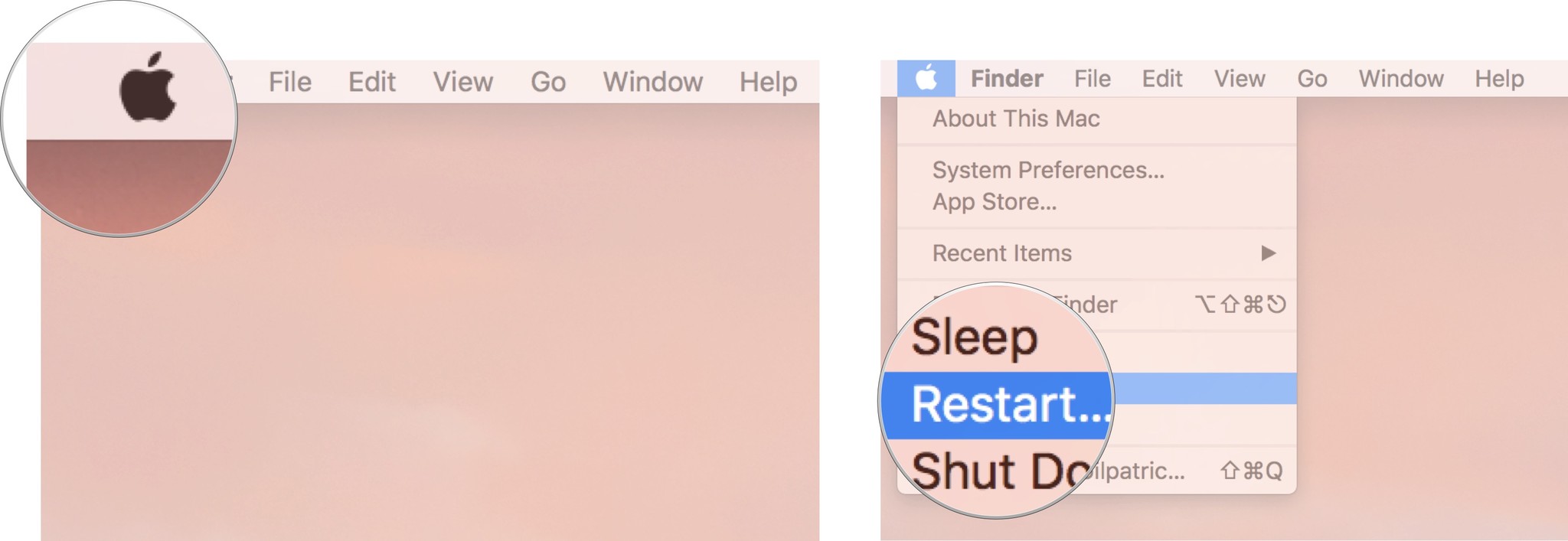
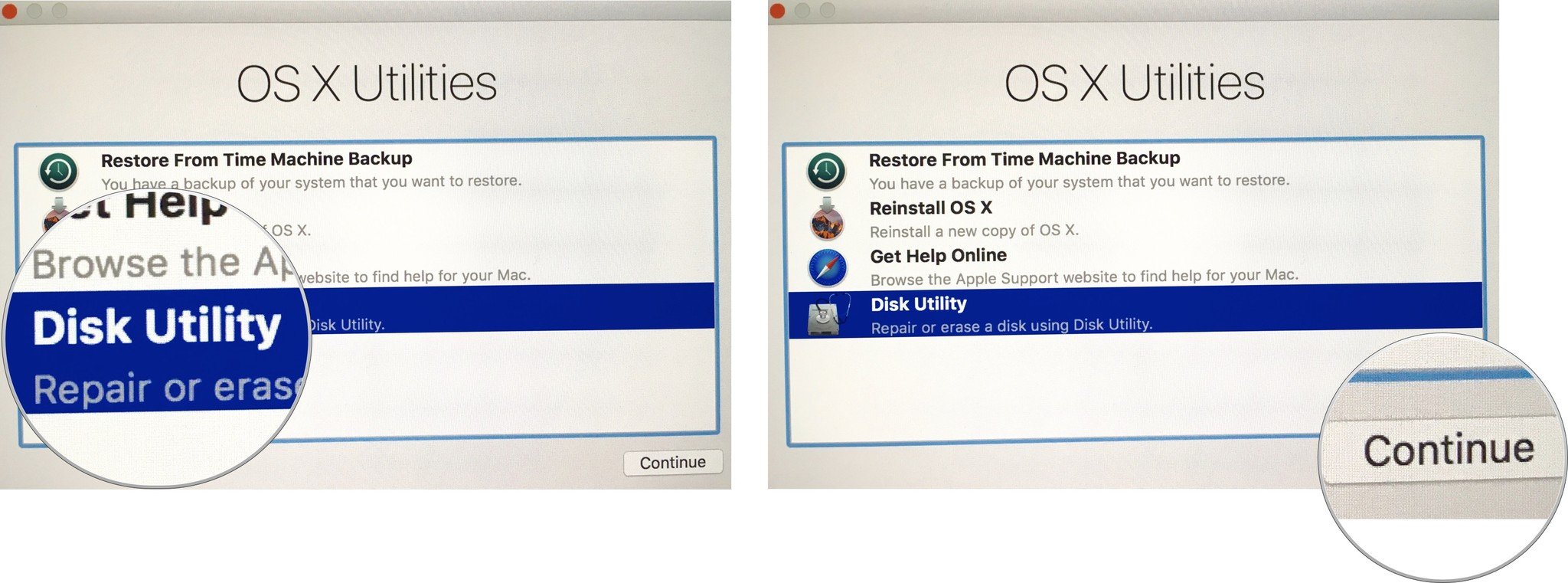
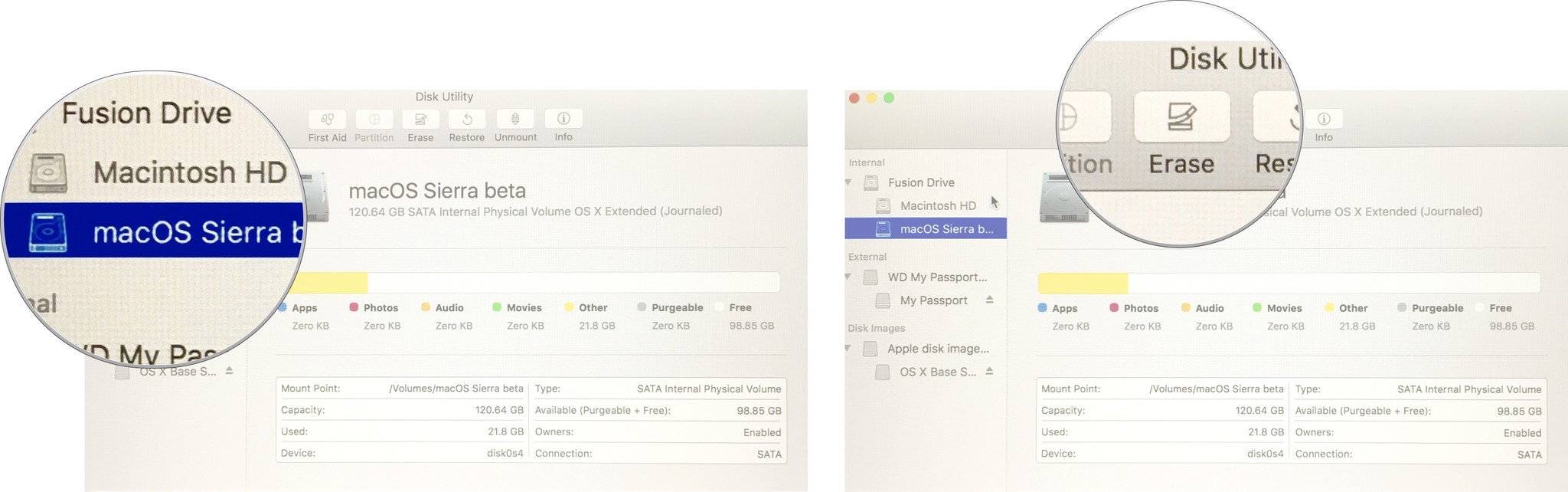
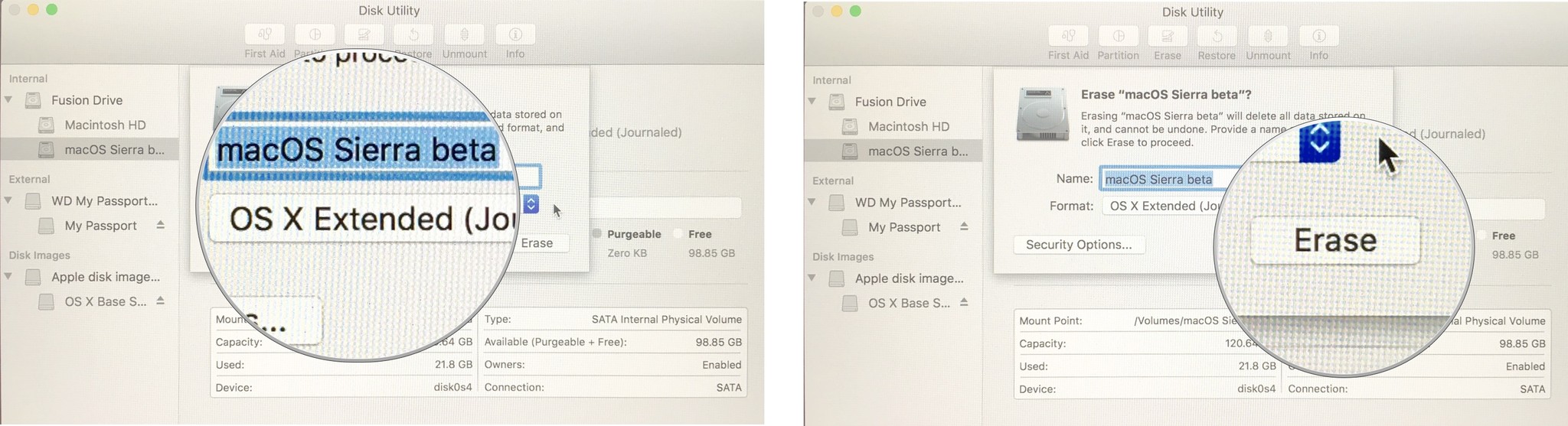
| How to downgrade from the beta of macOS Mojave back to macOS High Sierra Posted: 26 Jun 2018 12:05 PM PDT macOS Mojave is the next major operating system for Mac — but just because you take a new beta for a whirl doesn’t mean you’re ready to commit your daily driver to it just yet. If you’ve decided you’d rather return to macOS High Sierra, you can downgrade with just a few steps. If you follow these steps you’ll be back to your old setup in no time. Note: If you are reading this article on the Mac that you want to downgrade on, switch to another device or print this page before continuing so you can read along as you go. Step 1: Back up your MacThis process will erase macOS Mojave from your hard drive entirely. That means any files, programs, or documents you’ve been working on while using macOS Mojave will also be erased if you don’t back them up first. Use an external hard drive or a cloud-based program like DropBox, OneDrive, or iCloud. If you don’t save these important files somewhere off of your computer you will lose them. Step 2: Create a bootable drive of macOS High SierraBefore you erase macOS Mojave from your computer, download macOS HighSierra from the Mac App Store. It should be in your purchase list, or you can simply search for it in the Mac App Store. You’ll need a copy of macOS High Sierra in order to downgrade from macOS Mojave. When the final version of macOS Mojave goes live, macOS High Sierra will no longer be available in the App Store, so make sure you download High Sierra before Mojave launches this fall. Follow the steps linked below to make a bootable installer drive for macOS High Sierra. Note: Making a bootable installer requires the use of Terminal. If you don’t feel comfortable making changes to your Mac with Terminal, you can create a bootable disk using the DiskMaker X program. Step 3: Erase the beta of macOS Mojave
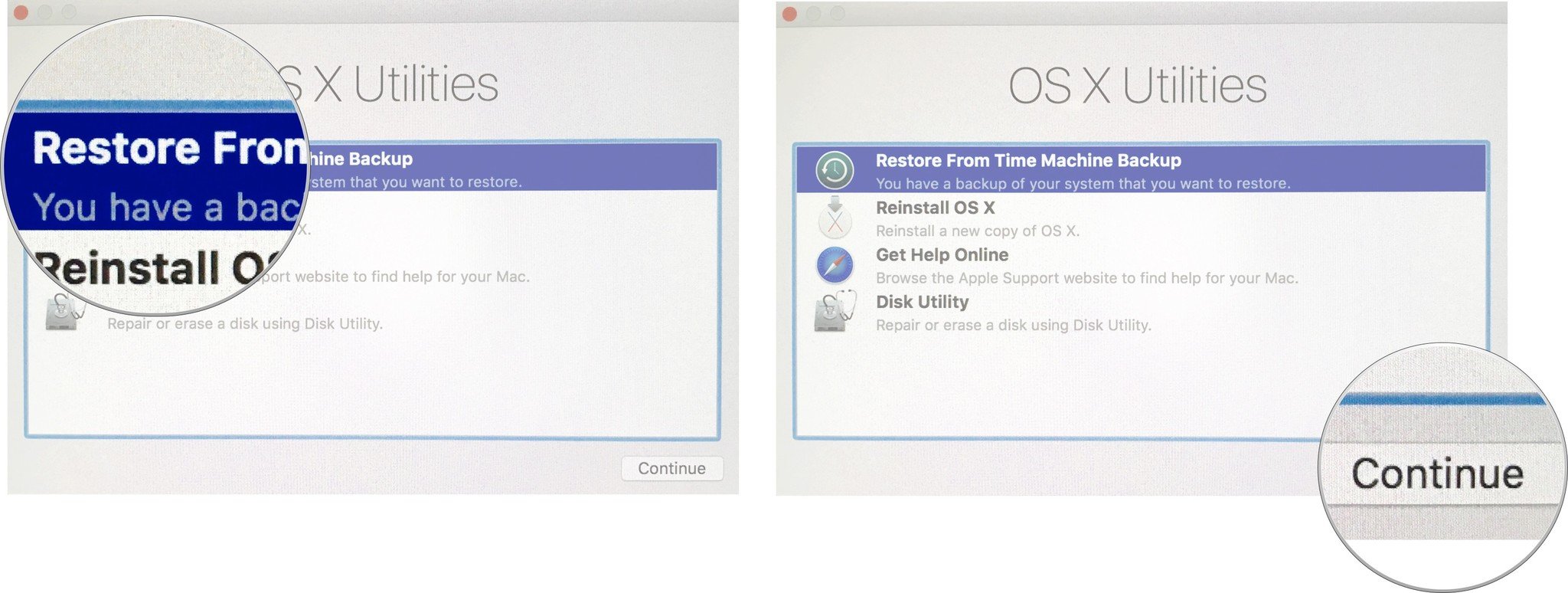
After the process is complete, quit Disk Utility from the dropdown menu in the upper left corner of the screen to go back to the OS X Utilities selector. Step 4: Reinstall macOS High SierraAfter you have erased macOS Mojave, you will want to reinstall an earlier operating system. NOTE: If your Mac came with macOS High Sierra, you can restart your Mac while holding down Shift-Option-Command-R to simply install the operating system that came with your Mac. Otherwise, follow the steps below to install High Sierra back on your Mac.
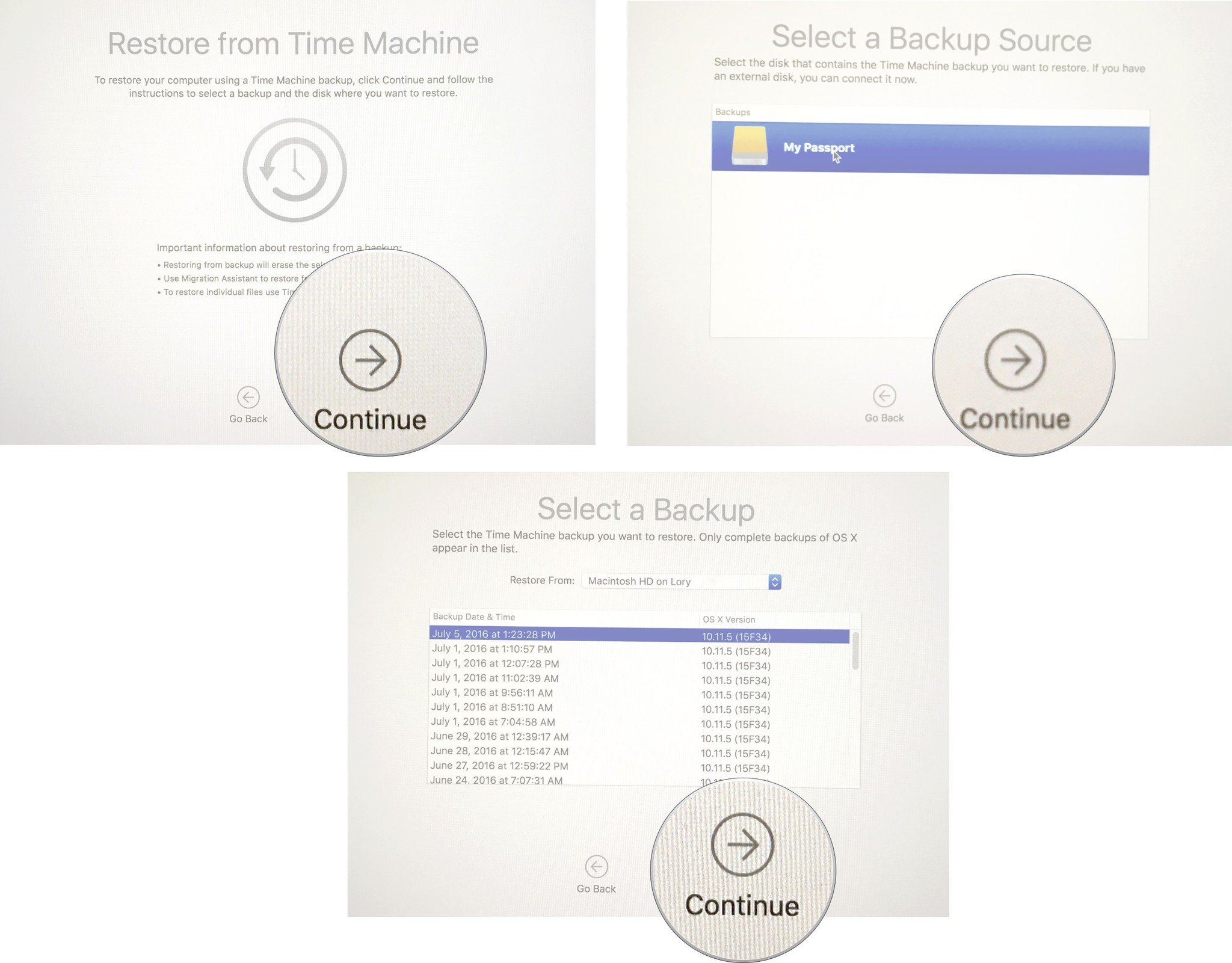
macOS High Sierra will install like a standard update. You will agree to the licensing terms before the software reboots on your Mac. Step 5: Restore settings from an earlier macOS High Sierra Time machine backupIf you have a recent backup of your Mac saved via Time Machine (which you should), you can use it to reinstall the settings you have saved from macOS High Sierra.
Your Mac will begin restoring from the Time Machine backup and then reboot. This process can take a while, so grab a cup of coffee while you wait. If you run into any problems while trying to downgrade your Mac operating system, let us know in the comments. The post How to downgrade from the beta of macOS Mojave back to macOS High Sierra appeared first on Guaripete. |
| A New Google Maps Update Offers a Redesigned Explore Tab Posted: 26 Jun 2018 12:05 PM PDT  For proper use of this site, you need to enable javascript in your browser!  June 26, 2018 A new Google Maps update is making it easier to find a perfect spot for a night out or any other time of the day. 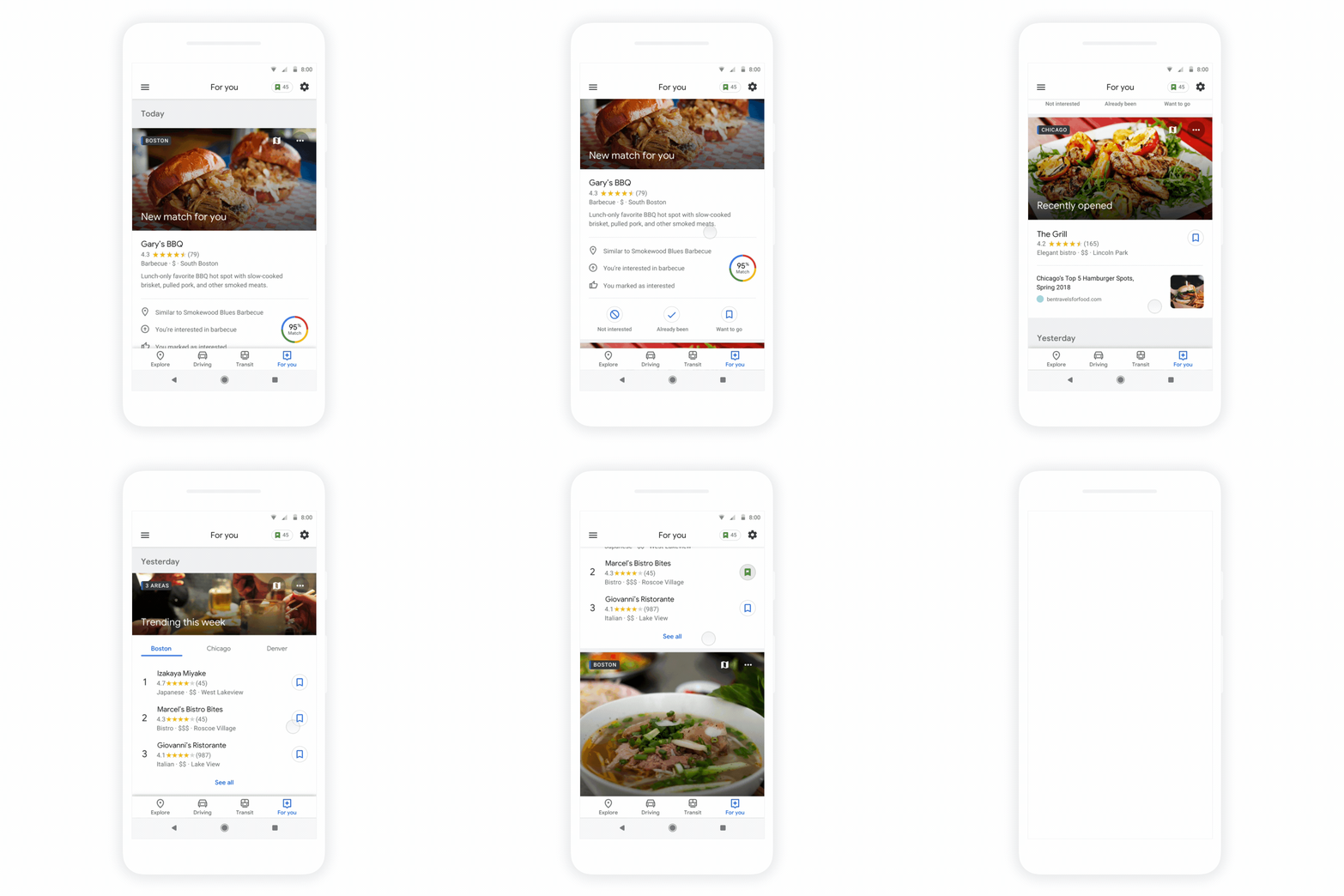 You can find all of the new changes in the redesigned Explore tab of the app. Most importantly, users can find recommendations for restaurants, bars, and cafes for any area. Another great feature is is a number of trending lists from both local experts and Google algorithms. In the section, you can also view events around your current location. If you can't get enough of Google Maps, the revamped Explore section brings a nice job of bringing some Yelp-like features to the mix. Google Maps is designed for the iPhone and all iPad models. It can be downloaded now on the App Store for free. In early June, during Apple's iOS 12 keynote, the company announced that third-party navigation apps – including Google Maps – will be available to use in CarPlay starting this fall when the software arrives to the public. The post A New Google Maps Update Offers a Redesigned Explore Tab appeared first on Guaripete. |
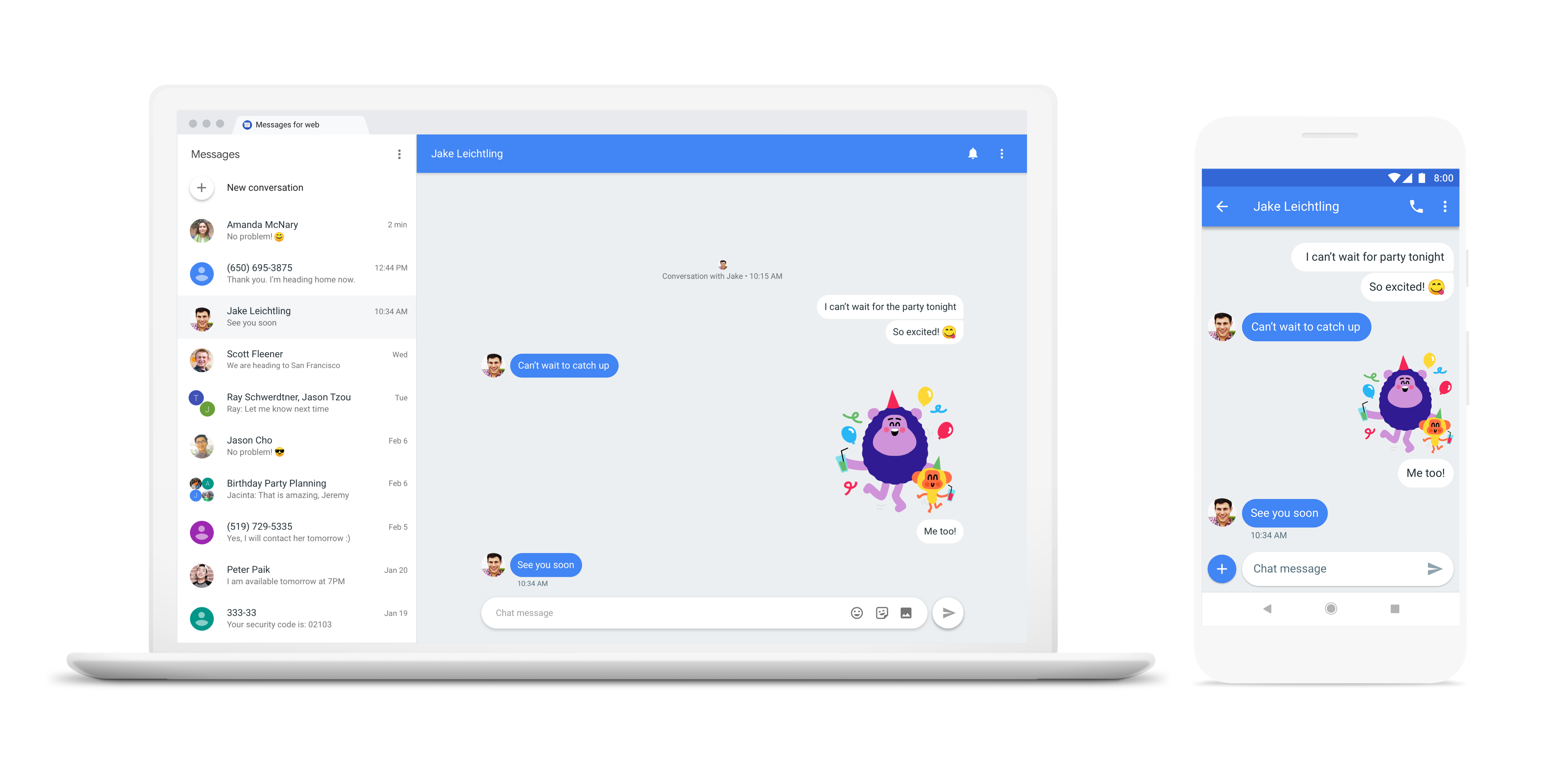
| You Should Have Android Messages for Web at This Point Posted: 26 Jun 2018 12:05 PM PDT   Android Messages picked up a web client last week, but Google rolled it out in the trolliest of slow fashions. It took a while, which led to a number of you asking if the version of your Android Messages app mattered or if Google was messing with you by skipping updates that you thought were the one you needed, that sort of thing. We tried to assure you that all was well and that Google doesn't actually conspire to make your life suck. Either way, according to Google's Justin Uberti, full deployment has happened. In other words, you should be able to get to the Android Messages for web client if you couldn't previously. How do you do that? Open Android Messages, tap on the top-right menu button and then choose "Messages for web" to open up a QR scanner. Then, from your computer, open up messages.android.com and scan the QR code that you see. That should do it. If for some reason you aren't seeing the option, hit that Google Play link below and make sure you are up-to-date. Version 3.3.044 should be the one you want. From there, you get the whole Android Messages experience, only from a desktop browser. You can send and receive text messages, see previews, pick stickers or emoji or images, and even switch to a dark mode. The post You Should Have Android Messages for Web at This Point appeared first on Guaripete. |
| Belkin Launching USB-C Keyboards This Summer, Designed for Chrome OS Tablets Posted: 26 Jun 2018 12:04 PM PDT   Chrome OS tablets are an actual thing this year. We've already seen them from Acer and HP, but because these are tablets, there is no physical keyboard as there are on Chrome OS laptops. This is where Belkin comes in, makers of many different accessories for tech devices. Belkin unveiled two different USB-C keyboards this week at ISTE in Chicago — one with a stand and one without a stand. The one with a stand, pictured above, will cost only $49.99 and launches sometime this summer. The non-stand keyboard should launch this summer, too, priced at just $39.99. Since these are USB-C keyboards, plugging them into a Chrome OS device and getting them up and running on the machine should be quite easy. Not only will these be useful for the business folk, but Belkin sees an opportunity for classrooms to take advantage of these as well. As soon as we have official launch details, we'll update you. // Belkin The post Belkin Launching USB-C Keyboards This Summer, Designed for Chrome OS Tablets appeared first on Guaripete. |
| Samsung’s Galaxy Tab S4 Just Stopped at the FCC Posted: 26 Jun 2018 12:04 PM PDT   Fresh off yesterday's Galaxy Note 9 FCC appearance, the Samsung Galaxy Tab S4 has now stopped by as well. The device has appeared at benchmark sites and in a leaked picture or two in recent weeks, likely as it readies to join the Note 9 for an August launch. The device at the FCC today is listed as model number SM-T835. While the documents do not say "Galaxy Tab S4," the model number scheme fits into that line. The Galaxy Tab S3, which was announced well over a year ago, sports model numbers of SM-T820 (WiFi) and SM-T825 (LTE). The Galaxy Tab S2 was model SM-T810. The 800 series of numbers has clearly been reserved for the Tab S line. Don't be surprised if the WiFi-only Tab S4 is SM-T830. In the FCC docs, we see that this particular Galaxy Tab S4 will feature LTE support. This device (FCC ID A3LSMT835) supports LTE bands 2, 4, 5, 12, 13, 17, 66, and 41, as well as the GSM frequencies you would expect. Other bits of info we discovered show a device that is 249.3×164.3mm and has Bluetooth 5.0, 802.11ac WiFi, and a non-removable backside. The Galaxy Tab S4 will have audio "Tuned by AKG" too (see below), as well as a single camera on the rear.
Other rumors (thanks to benchmarks) for the Galaxy Tab S4 suggest Android 8.1, Samsung Experience 9.5, a 10.5-inch display (2560×1600), Snapdragon 835 processor, 4GB RAM, 64GB storage (with SD support), 13MP rear camera, and front 8MP camera. The Galaxy Tab S line is typically Samsung's best, so if you have been in the market for a fresh big screen, hold off for a bit. // FCC The post Samsung's Galaxy Tab S4 Just Stopped at the FCC appeared first on Guaripete. |
| The Pixel 2 XL’s oleophobic coating is so bad I almost don’t want to use the phone anymore Posted: 26 Jun 2018 12:04 PM PDT  When the Pixel 2 XL came out, there was a great deal of consternation about the LG-made OLED panel. I was firmly in the “it’s fine” camp, but my opinion has changed over time. No, I didn’t suddenly decide the blue shift was a deal breaker. The oleophobic coating on the glass is just so bad that my phone is constantly a smeared, gross mess. It’s so annoying that I almost don’t want to use this phone, which I otherwise adore. Oleophobic coatings aren’t something we talk a lot about, but almost every phone you’ve touched in the last decade has one. At the dawn of the modern smartphone era, there was resistance to the idea of using capacitive touchscreens instead of resistive ones. A resistive screen works with a stylus, so you didn’t get fingerprints all over them. And indeed, touchscreen phones picked up a lot of oily fingerprints for the first few years. The iPhone 3GS was the first to have an oleophobic coating to repel skin oils, and that made a huge difference. The oleophobic coating on your screen doesn’t prevent it from collecting fingerprints, but it makes them easy to wipe off—just give the screen a quick wipe with a cloth (or let’s face it, your pants), and the screen is clean. Oil sticks to glass without an oleophobic coating, so you just smear your greasy fingerprints around when you try to clean it off. We’ve known since the iPhone 3GS that oleophobic coatings are not forever. They can and will wear off over time. That brings me to Google and the Pixel phones. I and many others noticed that the first generation Pixels started to lose their oleophobic coating as they got on toward a year old. That was perhaps a little faster than most devices, but it wasn’t egregious. However, the Pixel 2 XL’s coating has proven to be less robust. There are a number of Pixel 2 XLs in use by AP staff, and the oleophobic coating has worn off of most of them. I haven’t even carried my Pixel full time as I often need to switch to another device for reviews. Yet, I began noticing fingerprints smearing instead of wiping away cleanly after just a few months of intermittent use. Now, it’s gotten so bad that I can’t even touch the phone without being reminded that I’m a greasy animal. The smudges look unpleasant when the phone is asleep, and there are visible rainbow patterns on when the phone is in use from light interference. If I’m outside, it can be genuinely hard to make out what’s happening on the screen because of the smudges. I reached out to Google about the issue, and this was the predictably obtuse response.
So, Google says the Pixel 2 XL display has a similar oleophobic coating to other phones. That has not been my experience, nor the experience of most AP staff. We’re not alone—there are users across the internet complaining about the same thing.
The Pixel 2 XL with a screen protector. I was profoundly annoyed with my phone looking like an oil slick, so I did something I never do: I bought a screen protector. I don’t like how these look or feel on a phone, but they look much better than the bare screen without an oleophobic coating. Screen protectors come with their own coating, so I can once again use the Pixel 2 XL without excessive oil buildup. This is an imperfect solution, though. I don’t expect the screen protector’s coating will last as long as most phone screens, but I can at least replace it. I’m not saying you personally should hate this phone—I don’t even hate it. I want to love it for all the ways it’s amazing. Maybe something like this won’t even bother you, or you use screen protectors by default. That’s fine, but I really hope Google improves the oleophobic coating on the upcoming Pixel 3. The post The Pixel 2 XL’s oleophobic coating is so bad I almost don’t want to use the phone anymore appeared first on Guaripete. |
| Why doesn’t Project Fi support RCS yet, Google? Posted: 26 Jun 2018 12:04 PM PDT  Back in April, Google announced that it was pausing work on its Allo chat client to focus more on its RCS-enabled texting app, Android Messages. News of an upcoming web client for Messages was released alongside the announcement (something we'd known about for months), making it seem like Google was all-in on its SMS and RCS platform going forward. Now, that web client has arrived, and RCS continues its rollout around the world. The one, slight wrinkle? Google's branded carrier, Project Fi, doesn't even support RCS. And there's still no timeline as to when it will. RCS (Rich Communication Services) has been hailed as the 'iMessage for Android,' meant to finally bridge the feature gap between Apple's closed communication platform and the ancient SMS standard. RCS chat won't actually work with iMessage, of course – Apple doesn't want it to (which is to say, you'll be stuck with regular SMS when chatting with iPhone users for the foreseeable future). But if Google's vision is to be believed, RCS will eventually become just as ubiquitous and universal as SMS, without all of the annoying limitations of a technology that is rapidly approaching its 30th birthday. RCS supports features like typing status indicators, rich media content (read: no more awful MMS quality videos), inline links, no practical character limit, and a host of other improvements meant to make it a modern, robust chat platform.
While those of you outside the US (and some inside) are likely saying "who cares about an SMS replacement?" there remains substantial demand for such a thing in America. SMS became highly popular in the US because carriers here priced text messaging fairly competitively in the dumbphone days, and by the time most modern smartphones rolled around, pretty much every US carrier offered unlimited texting for a reasonable fee – and pretty much everyone was using it. The iPhone even relied solely on SMS for a while, as the first iteration of iMessage didn't launch until iOS 5 in 2011. But all these years later, it's iMessage, ironically, that has kept SMS around. The immense popularity of Apple's smartphone in this country made iMessage an overnight success, but Apple understood that its customers still needed to communicate with people on feature phones or competing smartphone platforms. The solution? Bake SMS directly into iMessage. This made SMS the most convenient way to communicate with someone with an iPhone if you didn't have an iPhone yourself, and vice versa. Outside America, the iPhone's growth was slower and competing platforms like Android were more successful. And, more importantly, SMS was and often still is expensive in many countries, which led to the rise of free, web-based chat services like WhatsApp, Telegram, LINE, WeChat, and others (like Google Hangouts or Facebook Messenger). In the US, though, cheap, abundant, and interoperable SMS was king.
The launch of the web interface for Android Messages would have been a perfect time for Project Fi’s RCS unveil. Image via The Verge. SMS, though, has reigned only by virtue of an absent heir-apparent. SMS is slow, unreliable, extremely feature-poor, and relies on a phone number – something that is highly identifiable and easily discoverable – making it subject to abuse. RCS is meant to address much of this, and Google has been at the forefront of pushing the standard ahead. Why, then, does its own wireless provider quite conspicuously lack the feature?
Signs that Google is testing RCS among Fi users have occasionally been spotted, but Google itself has never commented on when Project Fi will support RCS (when asked, Google was willing to confirm to us RCS is coming to Fi, but no timeline was provided). Speculation on this issue has generally centered in on a logical conclusion: because Project Fi is spread across several networks, many believe all the networks Fi operates on must support RCS before it is enabled. Google was so eager to launch RCS last year that it presented a model where carriers could utilize a Google-operated "hub" to send messages from their subscribers to carriers on others, easing the process of adoption. Nobody got on board, which makes Google's story about carrier enthusiasm for the standard a little hard to swallow. Still, you'd have to think a standard as modern and internet-based as RCS wouldn't have to worry about something as silly as network-level adoption, right? Isn't this all just easily virtualized bits and bytes that can be run on the virtual Project Fi network (Project Fi is an MVNO – Mobile Virtual Network Operator). The short answer is: we don't know. But given how keen Google has been to push RCS and even go out of its way to promote the standard by announcing the effective death of its own proprietary chat platform, you'd have to be nuts to think Google wouldn't want to make Project Fi a showcase for that standard. And yet, here we are. Hopefully, we won’t be “here” much longer. The post Why doesn’t Project Fi support RCS yet, Google? appeared first on Guaripete. |
| Gboard v7.31 adds annotation and more effects for GIFs, new language support [APK Download] Posted: 26 Jun 2018 12:04 PM PDT  Gboard added the option to use your phone’s camera to create custom GIFs in May. The tool came with a few fun effects to apply over the clips, too, like question marks to express confusion and mock “breaking news” chyrons. An update today brings a few new GIF effects and custom text overlays, as well as more practical improvements like support for additional languages. As is often the case with new features, we caught wind of the new GIF options in a teardown earlier this month. The new effects are hearts that surround the center of the frame, a window shade that opens to reveal your GIF, and a box of popcorn at the bottom of the screen. You’re also now able to add text in a number of colors over any GIF you make.
The update also brings with it new language support, both for Gboard itself and for sticker search. Here’s the changelog: WHAT’S NEW • Add text to Make a GIF The update is rolling out now. You can also grab the latest version over at APK Mirror.  Price: Free The post Gboard v7.31 adds annotation and more effects for GIFs, new language support [APK Download] appeared first on Guaripete. |
| Shotwell 0.29.3 Released with Face Recognition Feature Posted: 26 Jun 2018 12:04 PM PDT 
A new unstable snapshot of Linux photo manager software Shotwell has been released. 'The return of Shotwell's face detection feature excites me most in this release Shotwell 0.29.3 brings a number of improvements to the fore, enhancing the user interface and overall stability of the application. But it's the return of Shotwell's face detection feature to the master branch that excites me most in this release. This (optional) extra might help make it easier to organise and sort through photos based solely on who is in them. — Not that facial recognition is entirely new to Shotwell, of course. The feature was initially developed back in 2012/2013 as part of the Google Summer of Code. For various reasons it never seemed to feature in stable builds.
Now, with the code now back in the master branch, it seems Shotwell developers have an appetite to tackle outstanding issues and bring the nifty feature, which uses OpenCV to power its face detection capabilities, to the Linux desktop. KDE photo manager Digikam also has a face recognition feature A bug to improve facial recognition is already open on the project's Gitlab page and number of good suggestions have been put forward, like showing "okay/cancel" buttons for auto-detected faces on the image itself, beside the corresponding face(s). : Other changes in this unstable series snapshot — due to arrive in the Stable build this autumn — include:
In all, a nice update. Upgrade to Shotwell 0.29.3Unstable Shotwell releases are not recommended for most users as they may contain bugs, regressions and/or broken features. That said, if you love the photo management software enough to want to help new releases for issues and don't mind tough edges, Shotwell makes it easy to get involved. The source code for Shotwell 0.29.3 can be downloaded right now from the GNOME FTP server: If you're an Ubuntu user on a supported release you will be able to upgrade to Shotwell 0.29.3 shortly by adding the PPA for unstable Shotwell releases to your software sources. This PPA is maintained by Shotwell developer Jens Georg. At the time of writing it hasn't been updated with the latest 0.29.3 build. It does offer May's Shotwell 0.29.2 release — which added a dark theme — and will be updated with the latest snapshot in the next few days: sudo add-apt-repository ppa:yg-jensge/shotwell-unstable sudo apt update && sudo apt dist-upgrade To downgrade to the version of Shotwell your version of Ubuntu came with you can use the PPA purge tool. The post Shotwell 0.29.3 Released with Face Recognition Feature appeared first on Guaripete. |
| WPA3: tuvo que pasar más de una década para que nuestro WiFi fuese más seguro Posted: 26 Jun 2018 12:04 PM PDT  A partir de este 26 de junio de 2018, WPA3 es oficial, un nuevo protocolo de seguridad para redes Wi-Fi que busca protegerte incluso de tus malas contraseñas. Esto quiere decir que los productos que usen WPA3 comienzan a recibir certificación por parte de la Wi-Fi Alliance, la organización que supervisa la adopción de los estándares Wi-Fi. WPA3 viene a reemplazar a WPA2, el protocolo más usado de este tipo que llevamos utilizando desde 2004, y que, por si no lo recuerdan, ha tenido unos agujeros de seguridad bastante grandes: nunca olvidemos KRACK, la última prueba definitiva de que WPA2 está obsoleto. Nada de intentar adivinar la contraseña una y otra vezAunque a la hora de conectarnos al Wi-Fi los usuarios realmente no notaremos ninguna diferencia, WPA3 ofrece una gran cantidad de protecciones adicionales contra los intentos de acceso no autorizados. Este protocolo no solo hace más difícil adivinar tu contraseña, sino que limita lo que un atacante puede ver si la descubre. El nuevo protocolo también ofrece protección contra ataques offline para intentar adivinar tu contraseña. Para poder intentar adivinar tu password el atacante tendrá que tener acceso físico al dispositivo, y el dispositivo puede ser además protegido contra esos intentos repetitivos de intentar encontrar la contraseña correcta. WPA3 previene que tus datos antiguos se vean comprometidos por ataques futuros Otra característica importante de WPA3 tiene que ver con la privacidad de los datos, lo que en criptografía llaman “forward secrecy” (secreto perfecto hacia delante), una propiedad que garantiza que el descubrimiento de las claves utilizadas actualmente no comprometa la seguridad de las claves usadas con anterioridad, es decir, con WPA3 si un hacker captura una transmisión Wi-Fi cifrada y descubre la contraseña, igual no podrá leer datos antiguos, solo ver la información que pasa en ese momento por la red. Probablemente no lo disfrutes hasta el 2020 Si bien el protocolo ya es oficial, como dijimos antes, apenas se empiezan a certificar los dispositivos a partir de hoy. Esto quiere decir que tú como usuario tendrás que comprar un nuevo router que soporte WPA3, o esperar a que el fabricante te actualice tu dispositivo viejo, si es que lo hacen. Lo mismo aplica para todos los demás dispositivos que tengas que se conecten a redes Wi-Fi, esperar que sean actualizados, o comprar uno nuevo. Con ordenadores y móviles es un poco más simple, pero en el mundo de los routers, sabemos que no reciben actualizaciones de firmware de por vida precisamente, ni siquiera por muchos años. WPA3 es retrocompatible, así que aunque tengas un router nuevo que soporte ese protocolo, igual podrás conectar dispositivos con WPA2, aunque no sea lo ideal. Nada debería dejar de funcionarte. La Wi-Fi Alliance espera que la adopción de los dispositivos que usan WPA3 empiece a tomar vuelo a finales de 2019, justo para coincidir también con la nueva generación de Wi-Fi: 802.11ax. En Genbeta | Qué significa que el protocolo Wi-Fi WPA2 tenga graves vulnerabilidades The post WPA3: tuvo que pasar más de una década para que nuestro WiFi fuese más seguro appeared first on Guaripete. |










| You are subscribed to email updates from Software Trending News. To stop receiving these emails, you may unsubscribe now. | Email delivery powered by Google |
| Google, 1600 Amphitheatre Parkway, Mountain View, CA 94043, United States | |

No comments:
Post a Comment