Software Trending News – Guaripete | Online Store |
- New OnePlus Bullets Wireless headphones swing by the FCC
- [Deal Alert] Samsung Chromebook Plus is $200 ($300 off) at Office Depot, but only in-store
- Linux Release Roundup: Firefox, Nextcloud, Nano + More
- Cuando incluyes una memoria USB en tu producto y llega a los usuarios infectada con malware de fábrica
- Probamos los nuevos audios de Twitter: necesitan mucho más si no quieren caer en el olvido en un par de días
- De los mismos creadores de “descargar memoria RAM” nos llega “baja una tarjeta SD de la Play Store”
- KeePass 2.40 is out: here is what is new
- KFK File Splitter review
- Microsoft trying to push KB4023057 again to user systems
| New OnePlus Bullets Wireless headphones swing by the FCC Posted: 10 Sep 2018 12:05 PM PDT 
OnePlus started offering its “Bullets” earbuds a while back, but this year it made the leap to Bluetooth with the Bullets Wireless. Now, it looks like an updated version of the company’s wireless earbuds is on the way. Over at the FCC, they’re testing a new version of the Bullets Wireless with model number BT32B.
The Bullets Wireless from earlier this year had good sound, and the price wasn’t bad at $70. However, they weren’t true wireless, and the cable was a little bulky. The new version probably won’t address those shortcomings. The model number BT32B is only slightly different than BT31B for the existing version.
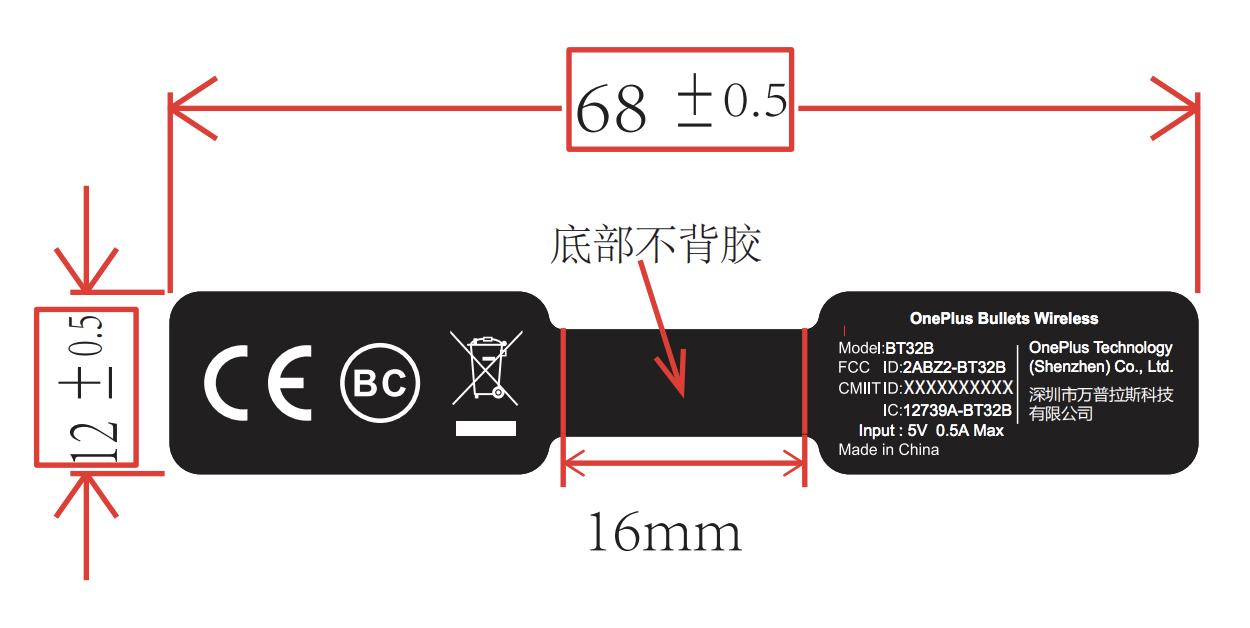
There’s a photo of the label placement, which shows off the same thick cable between the earbuds. Beyond that, there’s not much we can glean from the FCC docs. The earbuds were tested for Bluetooth standards compliance, but that’s what you’d expect for any wireless headphones. We’ll probably learn more when the rumored OnePlus 6T is official. The post New OnePlus Bullets Wireless headphones swing by the FCC appeared first on GuaripeteMagazine. |
| [Deal Alert] Samsung Chromebook Plus is $200 ($300 off) at Office Depot, but only in-store Posted: 10 Sep 2018 12:05 PM PDT
The original Samsung Chromebook Plus is still a very good laptop, and in many ways, better than the Plus V2 that replaced it. It’s powerful enough for most Chrome OS workflows, works well with Android apps, and has a great 2400×1600 12.3-inch screen. Now you can get it for the insanely-low price of $199.93, but only if there’s an Office Depot store around you. The Chromebook Plus is powered by an ARM OP1 processor, with 4GB RAM and 32GB of eMMC storage. The 12.3-inch 2400×1600 display is perhaps the best feature, especially since it works with a stylus. The laptop supports both Android apps and Linux apps. There’s no major catch about the Chromebook Plus, except the mediocre keyboard – this is just Samsung (or Office Depot) wanting to clear out stock. The laptop is sold out online, so your only option is to check your local Office Depot store. The post [Deal Alert] Samsung Chromebook Plus is $200 ($300 off) at Office Depot, but only in-store appeared first on GuaripeteMagazine. |
| Linux Release Roundup: Firefox, Nextcloud, Nano + More Posted: 10 Sep 2018 12:05 PM PDT  The Linux landscape exists in a state of constant flux, with new distro releases, kernels, apps and other updates appearing all the time. In our Linux Release Roundup series we collate the latest app, software and distro releases (as well as other relevant software updates) released over the past 7 days in to an easily parseable list. This week's highlights include a notable open source text editor, an undeniably popular web bowser, a neat self-hosted cloud platform, and more! Nano 3.0 Released
A new version of the influential Nano text editor is now available. Nano 3.0 can read files ~70% faster than before GNU Nano 3.0 comes with a number of major performance improvements that, its developers say, mean Nano 3.0 can read files around 70% faster than before. The speed of handling ASCII text is roughly double that of earlier releases; there are changes to the way words at line boundaries are deleted, and some bindable functions has been renamed, including 'copy text' to 'copy', and 'uncut' to 'paste'. Other tweaks include:
For more details head over to the Nano editor website. Firefox 62 Released
A modest update to the world's best-known open source web browser is now available. Firefox 62 offers improved security, adds extra configuration options for Firefox Home (which most of us call the 'new tab page'), and debuts initial support for variable fonts (though not all Linux distros support them yet). Grab it (as always) from the Mozilla website, which has installers and binaries for Windows, macOS and Linux. Get Firefox from the Mozilla Website Alternatively, if you're running Ubuntu, you can snag this update via Software Updater on any supported Ubuntu release, including Ubuntu 14.04 LTS, 16.04 LTS and 18.04 LTS. GNOME MPV 0.15 Released
Fan of the user-friendly GNOME-MPV app, a streamlined GTK front-end to MPV, will want to upgrade to the latest release. GNOME MPV 0.15 features a number of improvements, including:
Minor changes, but welcome all the same. GitHub has the source code for the latest release. Otherwise, Xu Zhen's GNOME MPV PPA will likely package the new built for easier installation on Ubuntu in the coming weeks. New Dash to Panel Update Available
Dash to Panel is easily one of my favourite GNOME extensions thanks to its ability to merge the GNOME Dash (the dock in Activities screen) with the Top Bar and let you position it at the bottom of the screen. In the first update to the add-on since June, Dash to Panel picks up some additional application icon position settings, supports different font weights for ungrouped application titles, and adds support for the recent GNOME 3.30 release. As always you can get the add-on (once approved) from the GNOME Extensions website. Install Dash to Panel from GNOME Extensions If you already have Dash to Panel installed you can update it from the GNOME Extensions website though the "installed extensions" link. Nextcloud 14 Released 2FA comes to Nextcloud A new version of the roll-your-own cloud sync service Nextcloud has been released. Nextcloud 14 improves security with the addition of video verification and two-factor authentication through the Signal and Telegram messaging apps as well as SMS. Collaboration improvements also feature in the latest release, and the service makes use of the new ARGON2I hashing algorithm. Nextcloud is popular, self-hosted alternative to centralised cloud storage services like Dropbox, but which works in a broadly similar way. Like Dropbox, NextCloud lets you store, sync and backup files and folders, and access them from other apps, locations and devices. Additional features can be added by installing "apps" from the Nextcloud app store. These power-ups let you add a diverse set of features, ranting from calendar and browser-based text editor to RSS reader, URL shortening service and more. For more details, including notes on how to get the latest release, head over to the official Nextcloud website. The post Linux Release Roundup: Firefox, Nextcloud, Nano + More appeared first on GuaripeteMagazine. |
| Posted: 10 Sep 2018 12:05 PM PDT  Schneider Electric, una empresa europea que se especializa en soluciones de gestión de energía, ha lanzado una notificación de seguridad para los usuarios de dos de sus productos, ambos incluyen una memoria USB que posiblemente tenga malware. La empresa explica que durante su fabricación por un tercero, los discos USB pueden haberse visto comprometidos y estar infectados con malware. Le han recomendado a los usuarios básicamente echar los pendrive a la basura y no conectarlos nunca al ordenador. Los productos afectados, el Conext Combox y Conext Battery Monitor son dos dispositivos de gestión de energía solar, ambos incluyen la memoria USB que según la empresa solo contienen la documentación y utilidades de software no esenciales. Confirmaron que el malware existe, pero no detallan de ni cuál es la amenaza ni de que tipoTambién dicen haber confirmado que el supuesto malware “debería ser detectado y bloqueado por todos los programas antimalware más conocidos“, pero por precaución, mejor que nadie los use. Al final recomiendan a los usuarios del producto realizar un escaneo completo de su sistema en búsqueda de cualquier software malicioso, y que siempre deberían tener activa la protección contra malware en sus sistemas. Sin embargo, a pesar de que comprobaron que el malware existe, que puede haber infectado esos equipos, y que es detectado por antivirus, no han decidido describir el tipo de amenaza en particular. Este es otro caso de por qué nunca deberías meter una memoria USB a tu ordenador de un desconocido, solo es un poco el colmo que tengas que desconfiar también de un producto sellado de fábrica. Imagen de portada | PDenny Lego Temas The post Cuando incluyes una memoria USB en tu producto y llega a los usuarios infectada con malware de fábrica appeared first on GuaripeteMagazine. |
| Posted: 10 Sep 2018 12:05 PM PDT  Si echamos la vista atrás hasta hace un par de días, recordaremos que Twitter añadió una función nueva a su aplicación para iPhone que muchas personas bautizaron como “notas de audio”. Básicamente, los usuarios pueden grabar su voz y emitirla en directo como si de un programa de radio se tratase. Esta nueva función abre un sinfín de posibilidades en la plataforma, desde contar tus movidas personales a tus seguidores a compartir grandes historias mediante hilos que mezclen vídeo, texto y audio. No hemos podido resistir la tentación de probarlo por nosotros mismos para ver cómo funciona, qué nos ofrece y qué podemos hacer con ella. Las nuevas emisiones de audio de Twitter, a fondo
Lo primero que debes saber es que esta función, al menos por ahora, se encuentra disponible sola y exclusivamente en la app de iPhone. Para acceder a ella basta con pulsar el botón de “Redactar tweet” (arriba a la derecha) y, luego, el botón “En directo”. Así, se abrirá la pantalla para emitir vídeo vía Periscope, aunque lo que debes hacer es pulsar el icono del micrófono que aparece justo encima. Hecho eso, la pantalla se pondrá de color negro, dejando tu foto de perfil en el centro. En el fondo saldrán las ondas que genera nuestra voz, a la par que una animación en nuestra foto cada vez que hablamos (así puedes saber si el micrófono está funcionando correctamente). Cuando todo esté preparado, redacta el mensaje que quieres que aparezca en el tweet y pulsa en “Transmitir en directo”.  Para llegar a los audios en directo debes pulsar el botón de “Redactar tweet” y luego el icono del micrófono. Para llegar a los audios en directo debes pulsar el botón de “Redactar tweet” y luego el icono del micrófono.Conforme avance la emisión irán apareciendo las personas que se unen al directo y los comentarios que vayan haciendo, si es que lo hacen. Podrás ver en todo momento cuántas personas hay siguiéndote en vivo desde el icono en la parte inferior derecha.  Esta es la pantalla y las opciones que verás durante la emisión en directo. Esta es la pantalla y las opciones que verás durante la emisión en directo.Si pulsas sobre los tres puntitos aparecerá el menú de ajustes, en el que podrás ver los detalles de la transmisión, mandar una solicitud de seguimiento o de compartir a todos los oyentes, compartir la transmisión a través de diferentes canales (WhatsApp, Facebook y demás apps de mensajería) y comenzar un dibujo (sirve para garabatear la pantalla, aunque el dibujo se desvanece pasados unos segundos). También puedes ocultar el chat si no te apetece ver los comentarios de tus seguidores.  Desde la propia transmisión podrás compartir el link a la misma e incluso dibujar en la pantalla para poner información o algún garabato. Desde la propia transmisión podrás compartir el link a la misma e incluso dibujar en la pantalla para poner información o algún garabato.La duración de la emisión es ilimitada, y no hemos tenido problemas al hacer audios más largos y más cortos. Una vez acabes el directo podrás acceder a las estadísticas de la emisión. En ella podrás ver la duración de la misma, el tiempo de retención por usuario, el número de oyentes y una gráfica con la evolución de la retransmisión (así puedes ver cuándo empiezan a entrar tus seguidores, cuándo se van, picos de audiencia, etc). Todos los audios se quedan publicados en tu perfil hasta el fin de los tiemposCuando termines, el audio se quedará guardado en tu perfil y subido a Periscope. Cualquier usuario podrá acceder a él desde el tweet que publicaste al empezarla. En este mismo tweet podrás ver los espectadores que has tenido en total (tanto personas que te hayan escuchado en directo como los que lo hayan escuchado después). Si borras el tweet borras la emisión, aunque Twitter te genera un vídeo que se guarda en tu galería de fotos por si quieres subirlo de nuevo en algún momento, sea a Twitter o a cualquier servicio como, por ejemplo, IGTV).  Una vez finalizada la emisión podrás acceder a las estadísticas de esta para conocer la retención de los usuarios, espectadores totales, impresiones, etc. Una vez finalizada la emisión podrás acceder a las estadísticas de esta para conocer la retención de los usuarios, espectadores totales, impresiones, etc.Por otro lado, cualquier persona que vaya a escuchar tu audios puede, pulsando sobre la pantalla, adelantar y volver hacia atrás en la emisión deslizando a izquierda y derecha. Deslizando antes hacia abajo podrá conseguir una mayor precisión. Esto es útil para, por ejemplo, narraciones de historias o podcasts. Cuando acabes el directo puedes poner un tweet indicando el timing del contenido para que los oyentes puedan acceder a la parte que más les interese directamente. ¿Tiene futuro esta función?Lo cierto es que esta nueva función de podcasting en directo vía Twitter es, cuanto menos, interesante. A nivel usuario, como decíamos al principio, abre todo un abanico de posibilidades a la hora de contar historias. No es lo mismo publicar un hilo de texto explicando algo que complementar las palabras con sonido real. Los más creativos encontrarán miles de forma de sacarle provecho, sin lugar a dudas. Por otro lado, también parece una vía interesante para conseguir ingresos por publicidad (algo que a Twitter no le viene del todo mal). De la misma forma que implementaron vídeos pre-roll en los clips subidos por los usuarios, también podrían introducir pequeñas cuñas al principio de las emisiones de audio. Eso, unido al enorme potencial de segmentación de Twitter, podría suponer pingües beneficios para la plataforma. Sería buena idea permitir escuchar el audio con la pantalla apagada Sin embargo, un punto en contra (grave) es que no se pueden subir audios externos. Quizá sería interesante para podcasters, programas de radio y medios de comunicación poder subir sus audios directamente a la plataforma, ampliando así el alcance potencial de los programas. Al menos por el momento, si quieres subir audios a Twitter debes hacerlo grabándolo directamente con el móvil. Esta opción puede quedarse muy corta para algunos profesionales. También sería buena idea permitir escuchar el audio con la pantalla apagada. Por ahora, si cierras la app de Twitter también se corta el audio, algo que hace que se pierda la esencia del podcasting. Si Twitter quiere que esta función tenga futuro y marque una diferencia, debería permitir a los medios de comunicación conectar la grabación de sus programas con sus APIs para poder emitir programas en vivo desde sistemas profesionales y de escritorio. Restringir esta función a los smartphones corta de raíz SU potencial informativo y divulgativo. Las principales plataformas de streaming de vídeo permiten sincronizar sus servicios con otras herramientas. Es el caso de Facebook y OBS, por ejemplo. Si Twitter pretende que esta función no pase desapercibida y pueda usarse con carácter profesional, tendrá que permitir que se usen plataformas externas. En Genbeta | Así es el nuevo diseño que está probando Twitter en la web The post Probamos los nuevos audios de Twitter: necesitan mucho más si no quieren caer en el olvido en un par de días appeared first on GuaripeteMagazine. |
| De los mismos creadores de “descargar memoria RAM” nos llega “baja una tarjeta SD de la Play Store” Posted: 10 Sep 2018 12:04 PM PDT  Navegar la web a veces puede parecer como caminar por un campo minado con todas las diferentes trampas y estafas que están esperando por nosotros. Pero la gente más inexperta o inocente es la que está siempre más expuesta. Un ejemplo de esto son sitios como DownloadMoreRam, hechos como una broma para burlarse de la creencia de que es posible hacer algo como “descargar más RAM”, y ahora, como reportan en HowToGeek, una app en la Play Store que te ofrece la “descarga de una tarjeta SD de 32 GB”. Esa “app” que no hace lo que promete (obviamente) y ya fue eliminada de la Play Store, si bien explicaba en la descripción que era una broma, ya tenía más de 100 reseñas positivas, que la verdad no sabemos si fueron plantadas, o si fue la misma gente siguiendo el juego del chiste.  Reseñas de la app para “bajar una SD” – Captura de HowToGeek Reseñas de la app para “bajar una SD” – Captura de HowToGeekLos dos ejemplo pueden ser graciosos, pero lo que no lo es, es el hecho de que hay gente que se cree ese tipo de cosas, y esa ignorancia puede ser aprovechada. Puede que esta haya sido una “broma”, pero la siguiente no. Es especialmente alarmante cuando a la Play Store de Google llegan este tipo de apps con quien sabe cuáles intenciones, una tienda donde constantemente vemos casos de apps estafa que buscan engañar a los usuarios para que las instalen. Google ha eliminado cientos de miles de apps con malware de su tienda y la lucha continua. Cuando acabamos de reportar que hasta apps del top de popularidad en la Mac App Store están incurriendo en prácticas que violan la privacidad del usuario, hay que ser más desconfiados de todo que nunca. Si conoces a alguien que cree que es posible bajarse RAM o una SD, no te burles, explica que no es posible “descargar memoria” como no es posible “descargar una pizza”. Vía | HowTogGeek Temas The post De los mismos creadores de "descargar memoria RAM" nos llega "baja una tarjeta SD de la Play Store" appeared first on GuaripeteMagazine. |
| KeePass 2.40 is out: here is what is new Posted: 10 Sep 2018 12:04 PM PDT  KeePass 2.40 was released on September 10, 2018. The new version of the password manager comes with new auto-complete functionality when editing certain data fields, enhanced compatibility checks for plugin dlls and more. KeePass is my password manager of choice and there is quite the sizeable number of Ghacks readers who use the password manager as well. It is a desktop-based password manager that stores the passwords database in encrypted form on the local system by default. You can check out my review of KeePass here for an overview of the program’s functionality. Existing users of KeePass who have update checking turned on in the password manager should receive update notifications; KeePass does not include an automatic update function which means that all users need to download the latest version from the official website. Setup is straightforward and the software will either be installed or existing copies upgraded to the latest version depending on the local setup. KeePass 2.40
KeePass 2.40 introduces auto-complete functionality for usernames in the add and edit dialog and auto-type dialog, and for usernames and URLs in the “Open From URL” dialog. All auto-complete options are active automatically. When you edit saved accounts and click in the username filed you will notice that KeePass makes suggestions based on what you type and the “other” usernames stored in the database that you opened.
The same is true for the other dialogs that support auto-completion. I could not find an option to turn the functionality off in KeePass 2.40. It has its uses, especially if you consider that username is often the email address so that you may be able to fill out the username quicker when adding new accounts or editing them. You can add attachments to entries in KeePass. The password manager includes options to view certain data types saved as attachments directly in the application. All you have to do is click on the attachment to display it in the data viewer if it is supported (images for instance). The updated viewer supports zooming. You can use buttons to zoom, Ctrl-mousewheel, or CTrl+ or Ctrl-.
KeePass 2.40 includes several other new features. The developer improved compatibility checks for DLL plugins and added an option to disable that KeePass remembers the master password (encrypted) while a database is open. Also new: Find has a new Group Path option that you may check when running searches and plugins can make use of the new URL opening event. The new version of the password manager comes with improvements as well. The responsiveness of the user interface is improved during “long operations” according to the changelog, and KeePass won’t create a KeePass folder in the user’s application directory anymore if the configuration file is located outside of the folder structure. You can check the full changelog for all of the changes here. Check out these helpful resources if you want to get the most out of the password manager: Closing WordsKeePass 2.40 improves the password manager in several ways. Most changes and new features fly under the radar; in fact, the only change that most users will likely notice is the new auto-complete functionality in certain dialogs. That does not mean that the changes or new features are not welcome. Plugin developers get new options and users who use certain features will benefit from changes as well. Now You: Which password manager do you use?  Author Rating no rating based on votes Software Name KeePass 2.40 Operating System Windows Software Category Security Landing Page Advertisement The post KeePass 2.40 is out: here is what is new appeared first on GuaripeteMagazine. |
| Posted: 10 Sep 2018 12:04 PM PDT  KFK is a program for Microsoft’s Windows operating system that you may use to split files so that you end up with multiple smaller parts. The splitting of files is useful under certain circumstances, for instance when you want to send files as email attachments but are limited by the email provider in regards to file size. The same may be true locally when you want to move files to a USB drive or burn files to disc. Software to split files is not as popular anymore as it was in the beginning days of the Internet and even before. Think of floppy drives that can’t store more than 1.39 Megabytes or having to upload a 10 Megabyte file online using a 64 Kbit connection. We reviewed quite a handful of programs to split files. From programs that split CSV files or plain text documents to splitting PDF documents or media files. Note: KFK checks for updates when you run it. There is no option to turn off the functionality. KFK File Splitter
KFK File Spliter is compatible with all recent versions of the Windows operating system. It takes any file you throw at it and splits it into preset or custom sized chunks according to your specifications. The interface is easy to use and very straightforward. Select the split option if you want to split a large file into smaller chunks. Add the file and customize the output directory if you want to. The default directory is always set to the directory the selected file is stored in. KFK supports unicode characters so that you should not run into any issues with file names or directory names when using the program. All provided options are listed on the same page. You can select the number of parts that you want KFK to create or select a desired size for each individual part. KFK File Splitter supports presets ranging from “Notepad Cut” with a split file size of 64 Kilobytes over 512 Megabyte USB key parts to DVD and dual-layer DVD parts. Options to set custom sizes for each part are provided as well. The two remaining options are to burn the creation to CD or DVD after the process or to generate an automatic rebuild file. If you don’t select the option to create a rebuild file it is necessary to use KFK to rebuild it. The rebuild file is provided as a batch file that you may run to use the built-in copy -b command of Windows to merge the files again. KFK File Spliter creates files using its own extension by default; this does not change when you select the rebuild option during setup, however. Note that it is possible to load KFK files sometimes in third-party programs that support the source file format. One example: If you split a plain text file you can still load each chunk into a program like Notepad to access it directly. In other words: you don’t have to merge the split files or rebuild the original file before you can access it. KFK uses multiple threads to process split and merge operations quickly. Closing words and verdictKFK File Splitter is a useful program for Windows to split large files into smaller chunks. The program processes any file you load into the program and you may rebuild split files from within the user interface or by adding a rebuild file to the list of split files. The application works well even with larger files. Now You: Do you split or merge files regularly?  Author Rating no rating based on votes Software Name KFK File Splitter Operating System Windows Software Category Administration Landing Page Advertisement The post KFK File Splitter review appeared first on GuaripeteMagazine. |
| Microsoft trying to push KB4023057 again to user systems Posted: 10 Sep 2018 12:04 PM PDT  An updated version of KB4023057 has been released via Windows Update the other day. KB4023057 is an update for all versions of Windows 10 but Windows 10 version 1803 that supposedly improves the update reliability. Woody Leonard was the first to spot the update and his suggestion, sound as always, is to ignore the update and avoid it like the plague. His reasoning? The description does not really state what the patch supposedly does in detail, that the update is only offered to Home users but not through WSUS or the Microsoft Update Catalog, and that the update may change things on the system that users or administrators may not want changed. KB4023057
Another thing worth mentioning is that Microsoft is very, very slow when it comes to updating all the different language versions of that page. The English version is up to data but when you check the German page, you still get the December 2017 description which fails to mention Windows 10 version 1703 or 1709.
When you check the notes, you will notice that the update may make changes to important system settings and configurations:
As you can see, there is a lot that this update may do and many of the changes look like attempts to undo changes that users or administrators may have done on purpose. The description has not changed as it is identical to the one used for previous versions of the update. The update may compress files in the user profile directory. Günter Born suggests that this is an attempt by Microsoft to make sure that low-spec Windows 10 devices with 64 Gigabytes of hard drive space can be upgraded to newer versions of the operating system. While that is probably the main reason, it seems likely that file compression will be applied to any system that is low on disk space at the time of update installation. The update may take a very long time to complete and that is caused by compression being applied to files in the user directory. Windows 10 adds two arrows to the top right corner of files or folders that are compressed. Closing WordsWhat should you do? If you run an older version of Windows 10 and don’t want to upgrade to a new version of the operating system right now, then you may want to ignore the update. You could try and upgrade to new versions without installation of the update when the time comes, and if that fails, try the update to see if it resolves experienced issues after analysis of the failed update. You can use Microsoft’s own tool to block specific updates, or use third-party solutions such as Windows 10 Update Switch or these update blocking tools instead. In any case, if you plan to upgrade make sure that you have a system backup in place. Summary  Article Name Microsoft trying to push KB4023057 again to user systems Description An updated version of KB4023057 has been released via Windows Update the other day which improves the update reliability according to Microsoft. Author Martin Brinkmann Publisher Ghacks Technology News Logo 
Advertisement The post Microsoft trying to push KB4023057 again to user systems appeared first on GuaripeteMagazine. |



| You are subscribed to email updates from Software Trending News. To stop receiving these emails, you may unsubscribe now. | Email delivery powered by Google |
| Google, 1600 Amphitheatre Parkway, Mountain View, CA 94043, United States | |

No comments:
Post a Comment